
Prescription Glasses & Frames in Abuja
See clearly and feel comfortable in your glasses.
The Right Glasses Start With The Right Prescription
If you find yourself squinting to read, struggling to see distant objects or experiencing blurred vision, you may need prescription glasses.
But getting the right glasses involves more than picking a frame you like. Your prescription needs to be properly assessed, and your lenses should be suitable for how you use your eyes every day.
At Peniel Eye Clinic And Surgery, we help patients with their prescription glasses and optical needs, making sure they understand their prescription and the options available to them.
Whether you need glasses for reading, distance vision or everyday use, the starting point is understanding what your eyes need.
The most suitable lens will always depend on your prescription, visual requirements and personal preferences. Our team can help you understand the options available before making a decision.
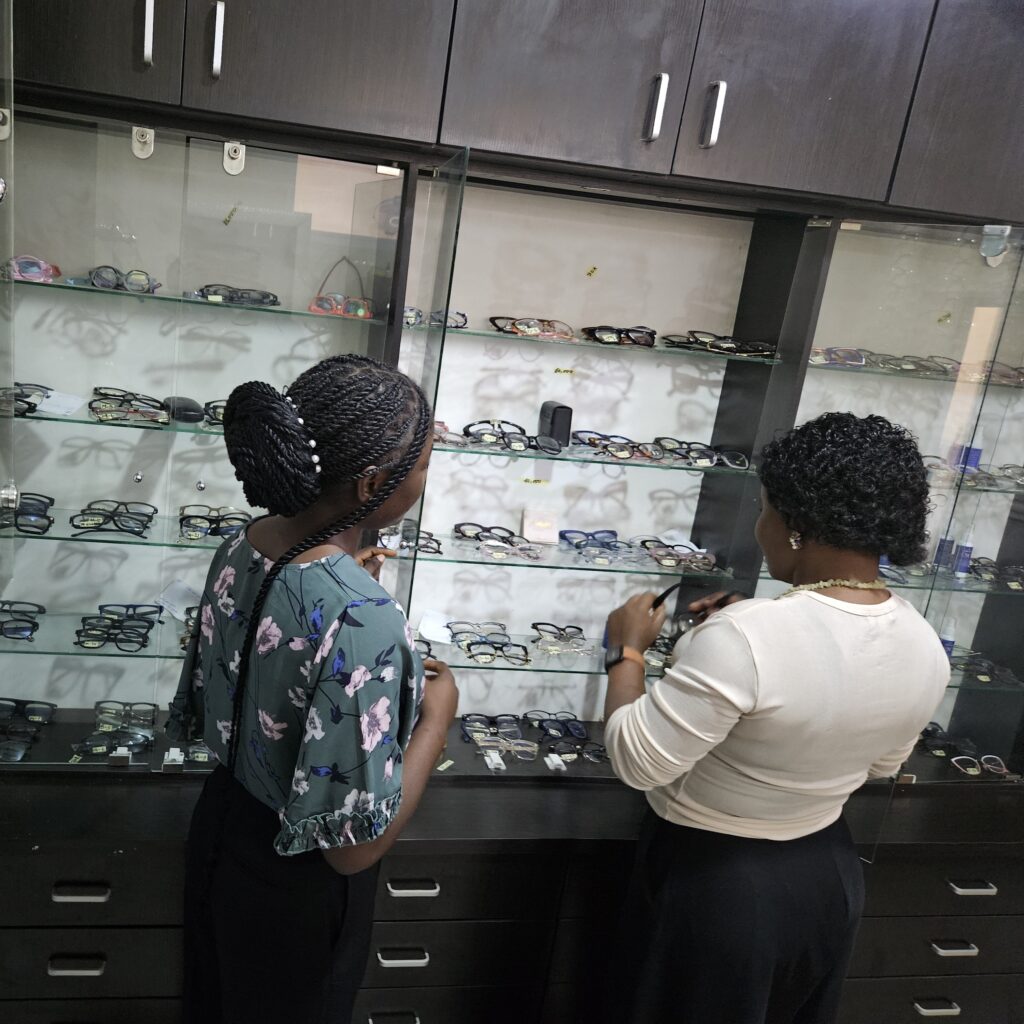
Finding Glasses That Work For You
Not everyone needs glasses for the same reason. Your prescription, daily activities and visual requirements all influence the type of glasses that may be suitable.
Depending on your examination and prescription, your glasses may be intended for:
Distance Vision
If you struggle to see things clearly from a distance, such as road signs, classroom boards or television screens, prescription glasses may help improve your distance vision.
Reading Glasses
Some people find it increasingly difficult to read books, newspapers or text on their phones. Reading glasses can help with close-up tasks when your prescription indicates they are needed.
Everyday Use
If you need vision correction throughout the day, everyday prescription glasses can help you see more comfortably during activities such as working, reading, driving and moving around.
Computer and Screen Use
If you spend a lot of time using computers or other digital devices, your visual needs may be different from those of someone who mainly needs distance correction. An appropriate prescription can help address these needs.
Choosing Frames That Suit You
Not everyone needs glasses for the same reason. Your prescription, daily activities and visual requirements all influence the type of glasses that may be suitable.
Depending on your examination and prescription, your glasses may be intended for:
Fit
Frames should sit comfortably on your nose and ears without constantly slipping or pressing against your face.
Size
The frame should be appropriate for your face and allow the lenses to sit correctly in front of your eyes.
Comfort
Consider the weight and overall feel, especially if you wear glasses for several hours a day.
Style
Choose something you feel comfortable wearing at work, at home and when going out.
Practicality
Think about your daily activities and how you intend to use your glasses.
Understanding Your Lens Options
The lenses are the most important part of prescription glasses because they provide the vision correction you need.
Different prescriptions and visual requirements may call for different lens options.
Single Vision Lenses
These lenses have one prescription across the lens and are commonly used for correcting either distance or near vision.
Bifocal Lenses
Bifocal lenses contain two different prescription areas, usually for distance and near vision. They can be useful for people who need correction for both.
Progressive Lenses
Progressive lenses provide different zones of vision correction for distance, intermediate and near tasks, without a visible dividing line between the prescription areas.
Lens Coatings
Some lenses may be available with additional coatings that help with specific needs, such as reducing reflections or making lenses easier to clean.
How To Get The Right Prescription Glasses
Getting glasses that work well for you starts with a proper assessment. Here’s what the process generally involves.
1. Have Your Eyes Examined
Your vision is assessed to determine whether you need glasses and what prescription is appropriate. If you already have a recent prescription, bring it along so it can be reviewed.
2. Understand Your Prescription
Your prescription contains measurements that determine the correction your lenses need to provide. We'll help you understand what it means and discuss the type of glasses that may be suitable for your needs.
3. Choose Your Frames
You can consider the available frame options based on your preferred style, comfort and fit.
4. Discuss Your Lens Requirements
Your prescription and daily activities help determine which lens options may be appropriate. You can discuss the available choices before proceeding.
5. Get Your Glasses
Once your glasses are ready, it's important that they fit comfortably and provide the intended vision correction.
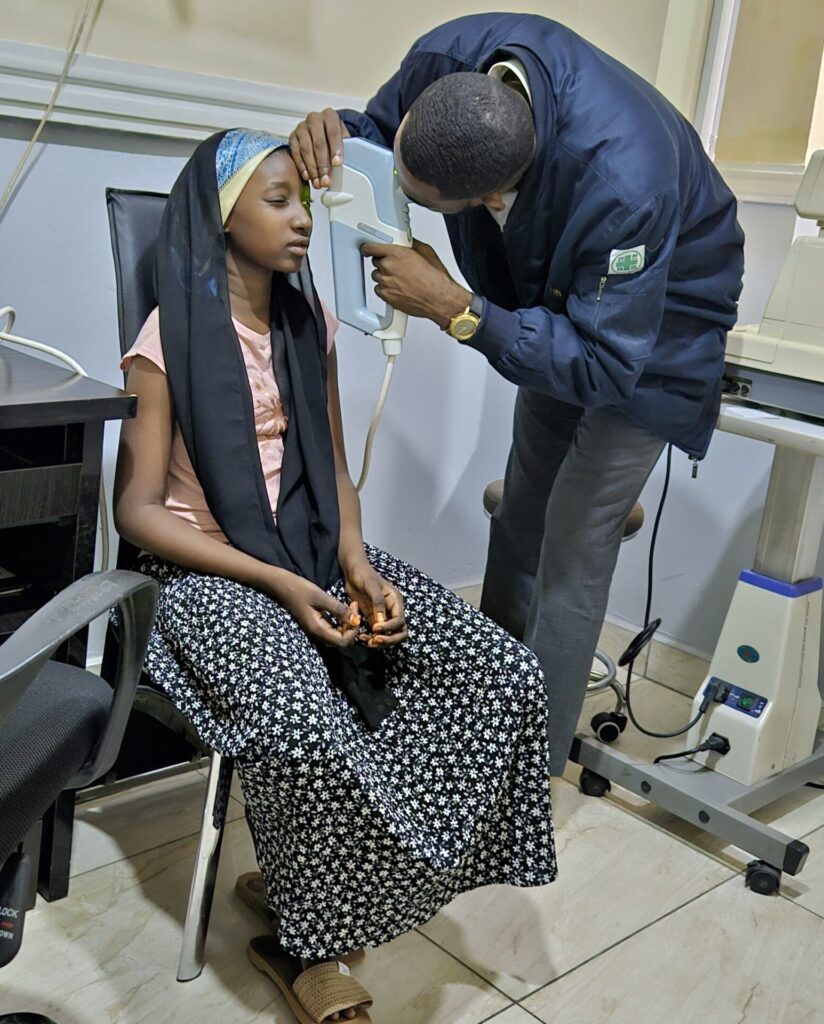
Prescription Glasses For Children
Children may need prescription glasses for different reasons, including short-sightedness, long-sightedness and other vision problems.
Unlike adults, children may not always recognize or explain that they are having difficulty seeing. Sometimes, the first signs are noticed by parents or teachers.
Watch out for behaviours such as:
- Squinting or tilting the head to see clearly.
- Sitting very close to the television.
- Holding books unusually close to the face.
- Difficulty reading or seeing the classroom board.
- Frequent eye rubbing.
- Complaining of blurred vision or headaches.
If you notice these signs, a proper eye examination can help determine whether your child needs glasses or further attention.
Getting the right prescription is particularly important for children because their vision is still developing. Glasses should be selected based on their examination findings and fitted comfortably for everyday use.
Looking After Your Prescription Glasses
Taking proper care of your glasses can help keep them in good condition and make them more comfortable to use.
A few simple habits can make a difference:
Clean your lenses with a suitable lens-cleaning cloth.
Avoid wiping your lenses with clothing or rough materials.
Store your glasses in a protective case when you're not wearing them.
Use both hands when putting on or removing your glasses.
Avoid leaving your glasses in places where they may be exposed to excessive heat.
Have loose or uncomfortable frames checked rather than trying to adjust them yourself.
Have scratched, damaged or uncomfortable glasses assessed to determine whether they need adjustment or replacement.
Need Prescription Glasses?
Get your first pair of glasses or update your existing prescription today.
Visit Peniel Eye Clinic And Surgery for professional eye care and optical services in Abuja.
Questions Patients Often Ask
Common signs include blurred vision, squinting, difficulty reading or seeing distant objects and recurring visual discomfort. However, these symptoms can have different causes. An eye examination can help determine whether prescription glasses are needed.
If you already have a recent prescription, it can be reviewed to determine whether it is suitable for your needs. If you don’t have one or your vision has changed, an eye examination is recommended before getting new glasses.
There is no fixed replacement period for everyone. It depends on whether your prescription changes, the condition of your glasses and your visual needs. Regular eye assessments can help determine when an update is necessary.
Single vision lenses have one prescription across the lens, usually for distance or near vision. Progressive lenses combine different vision correction zones for distance, intermediate and near tasks.
That depends on your prescription. Some people can use one pair for multiple activities, while others may need separate glasses or lenses designed for different viewing distances.
Consider comfort, fit, frame size, durability and personal style. Your frames should sit properly on your face and be suitable for the lenses prescribed.
There can be several reasons, including changes in your vision, an incorrect prescription, lens or fitting issues, or an underlying eye condition. If the problem persists, have your glasses and eyes assessed rather than assuming you simply need a stronger prescription.
Yes. Children may need glasses to correct vision problems. Their prescription should be determined through an appropriate eye examination, and their frames should fit comfortably.
Testimonials
What Our Patients Say


 Trustindex verifies that the original source of the review is Google.
 Trustindex verifies that the original source of the review is Google.
 Trustindex verifies that the original source of the review is Google.
 Trustindex verifies that the original source of the review is Google.
 Trustindex verifies that the original source of the review is Google.
 Trustindex verifies that the original source of the review is Google.
 Trustindex verifies that the original source of the review is Google.
 Trustindex verifies that the original source of the review is Google.
 Trustindex verifies that the original source of the review is Google.